Table of Contents
- What is Natural Limestone?
- What is the Difference Between Limestone and Marble?
- Is Limestone a 'Soft' Stone?
- What is Limestone Used For?
- Are Limestone Worktops a Good Choice for Your Project?
- Case Study
- Natural Limestone FAQs
- Does limestone stain easily?
- Can you use limestone for kitchen worktops?
- How do you maintain limestone surfaces?
- Bring the Timeless Elegance of Limestone to Your Home
What is Natural Limestone? Uses, Pros & Cons for Luxury Homes

Limestone worktops and surfaces have experienced a significant resurgence in luxury UK interior design. However, due to traditional naming practices and a few common misconceptions, many premium homeowners and designers are left wondering if it is the right material for their projects.
As expert British stonemasons with over 25 years of fabrication and installation experience, the team at Surrey Marble and Granite is here to clear up the confusion. Below, we explore everything you need to know about this timeless, elegant stone.
What is Natural Limestone?
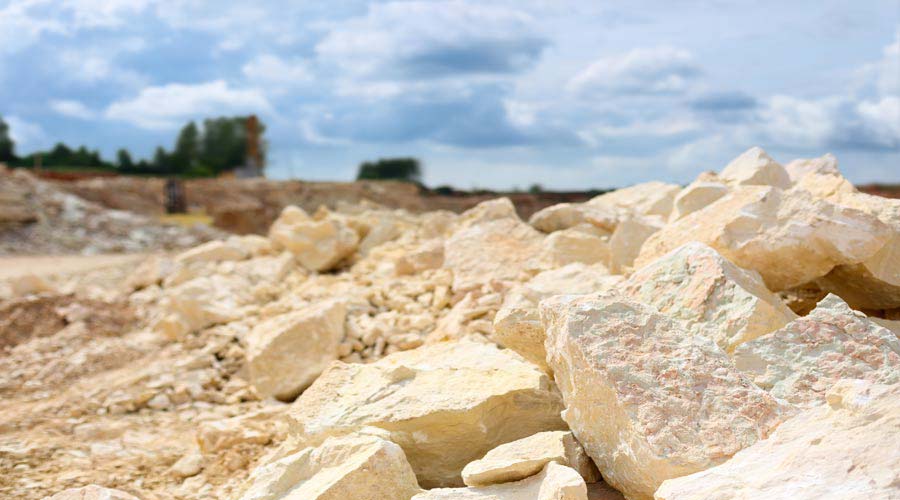
Natural limestone is a classic sedimentary rock formed over millions of years, primarily from the accumulation of calcium carbonate, marine fossil fragments, and ancient shells bonding under immense natural pressure. Known for its soft, earthy texture, muted neutral tones, and distinctive organic patterning, it has been a staple of premium British architecture and high-end interior design for centuries.
What is the Difference Between Limestone and Marble?
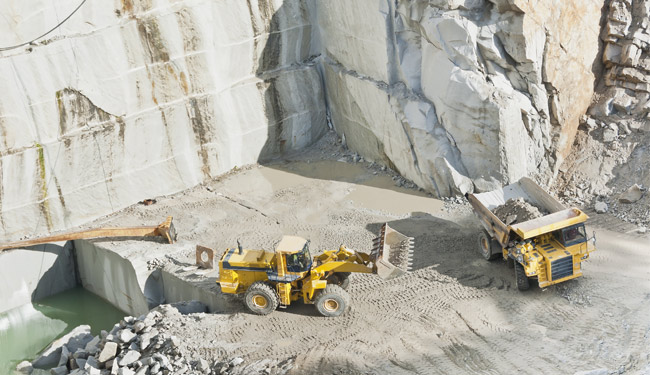
It is a common geological surprise that marble is actually formed from limestone.
Limestone is the original sedimentary rock, rich in character, subtle textures, and fascinating visible fossil fragments.
Marble is a metamorphic rock. When limestone is subjected to intense geological heat and extreme pressure over millennia, the shell and fossil fragments recrystallise into dense calcium crystals.
Because they share the same calcium-carbonate foundation, limestone and marble share many practical properties, but limestone generally offers a more matte, understated, and naturally organic aesthetic compared to the high-gloss veining of marble.
Is Limestone a ‘Soft’ Stone?
In geological terms, limestone and marble are classified as ‘soft’ stones, meaning they lack the extreme quartz density found in granite. On a geological timescale of millions of years, rain and natural acids will weather limestone faster than granite, which is why you see rugged granite outcrops in nature.
What does this mean for your home? In human terms, limestone is still as tough as solid rock. It will not crack, chip, or warp under standard domestic conditions. To ensure everyday practicality in modern kitchens and bathrooms, our master stonemasons precision-seal every limestone surface prior to installation. This advanced sealing process renders the stone highly water-resistant, food-safe, and shielded against the mild acids found in everyday ingredients like lemon juice or vinegar.
What is Limestone Used For?
Limestone is woven into the fabric of premium British architecture. The golden, warm facades of Georgian Bath, the historic walls of the Yorkshire Dales, Canterbury Cathedral, Westminster Abbey, and the Tower of London are all constructed from varieties of British and European limestone.
Today, high-end interior designers and architects specify natural limestone for a wide variety of luxury residential applications, including:
Are Limestone Worktops a Good Choice for Your Project?
If you are designing a space that values timeless elegance, warmth, and an understated, organic luxury that manufactured materials cannot replicate, natural limestone is an exceptional choice.
It is available in an exquisite palette of neutral shades—from soft creams and warm beiges to sophisticated greys, often featuring delicate, visible remnants of ancient marine life that make every single slab completely unique. While it requires a degree of care and occasional re-sealing compared to engineered quartz, its distinct tactile beauty and ability to age gracefully with a beautiful natural patina make it a favourite for premium properties across Surrey, London, and the Home Counties.
Case Study
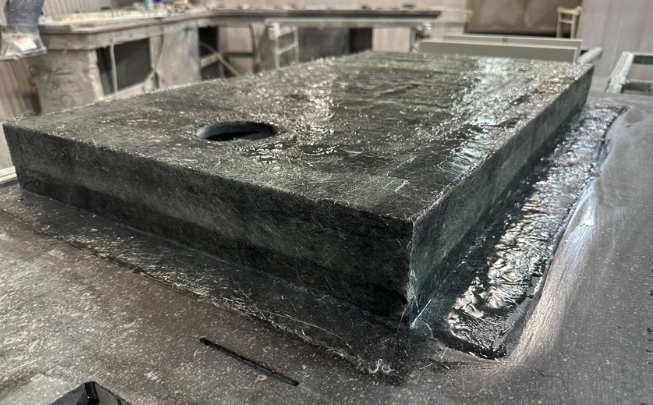
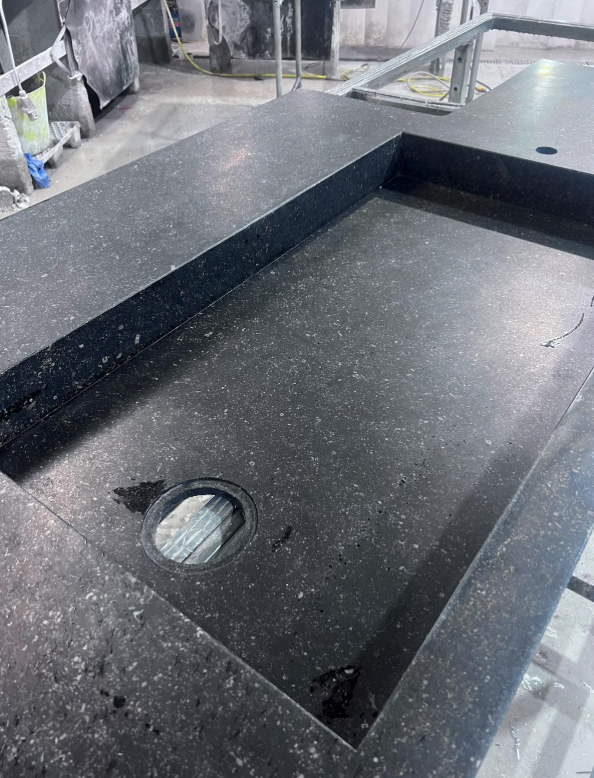
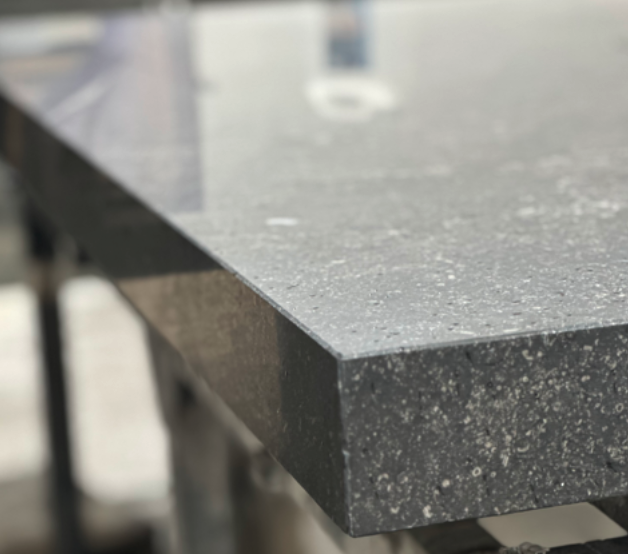
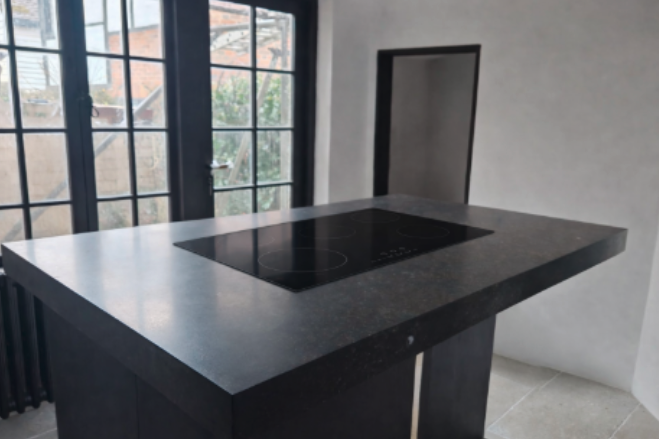
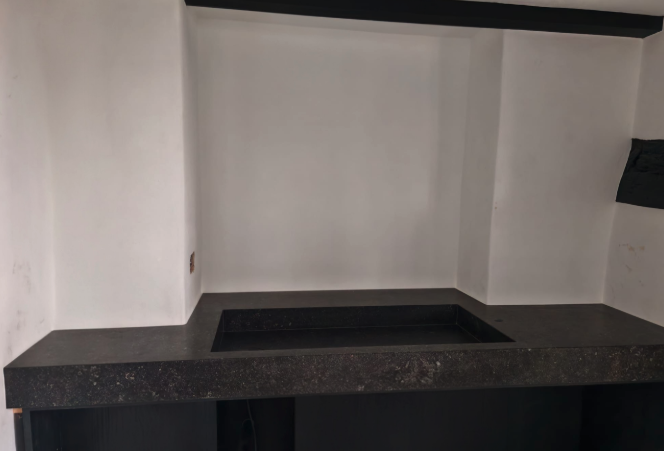
View our case study featuring Belgian Fossil Limestone used for a monolithic style kitchen worktop in a listed cottage in East Sussex.
Natural Limestone FAQs
Does limestone stain easily?
Unsealed limestone is porous and can absorb liquids. However, when professionally fabricated, treated, and sealed by Surrey Marble and Granite, it becomes highly resistant to everyday spills, stains, and moisture.
Can you use limestone for kitchen worktops?
Yes. Limestone makes for a beautiful, highly durable kitchen worktop. Because it is heat-resistant and structurally robust, it easily handles the demands of a luxury kitchen, provided it is properly sealed and cleaned with pH-neutral stone cleaners.
How do you maintain limestone surfaces?
Maintaining limestone is straightforward. Wipe surfaces down with a soft cloth and a specialised, mild stone cleaner. Avoid abrasive scouring pads and harsh, acidic chemical cleaners (like bleach or window spray). We recommend professionally re-sealing your limestone every few years to maintain its premium protective barrier.
Bring the Timeless Elegance of Limestone to Your Home
Whether you are a homeowner curating your dream kitchen, or an interior designer sourcing the perfect bespoke slab for a client, our specialist craftsmen are here to help. From initial digital templating to final precision installation, we tailor every project to your exact specifications.
If you need help with our products and services, get in touch with us today!